Техническая документация
Характеристики
Brand
Phoenix ContactТип продукции
Реле питания
Напряжение обмотки
24В перем. тока
Конфигурация контактов
Двухполюсная группа переключающих контактов (DPDT)
Тип монтажа
DIN-рейка
Серия
RIF-2-RPT-LV-24AC/2X21
Тип клеммы
Подключаемый элемент
Переключающий ток
8.5A
Минимальная рабочая температура
-40°C
Коммутируемая мощность
120W
Коммутирующее напряжение постоянного тока
250В пост. тока
Коммутирующее напряжение переменного тока
250В перем. тока
Сопротивление обмотки
158Ом
Максимальная рабочая температура
60°C
Мощность обмотки
120W
Длина
43мм
Стандарты/одобрения
IEC, DIN
Ширина
90 mm
Материал каски/сварочной маски
111мм
Материал контактов
Сплав серебра
Информация о товаре
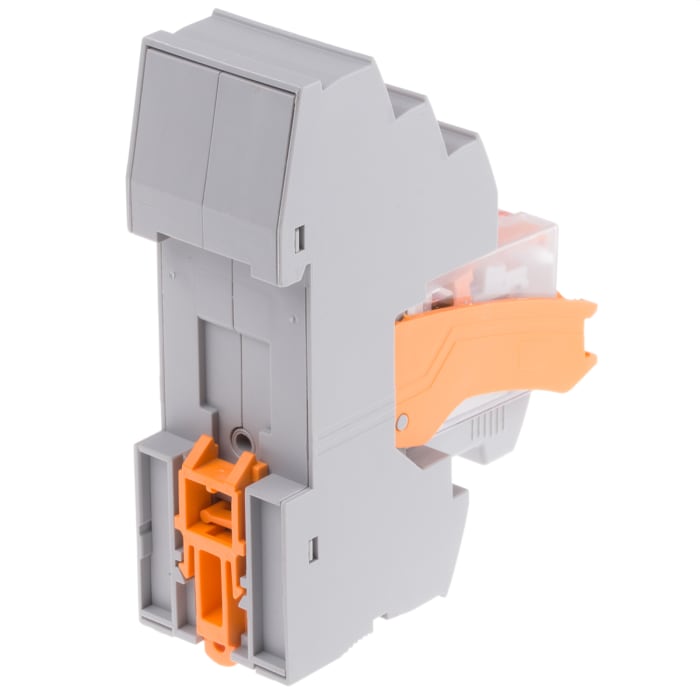
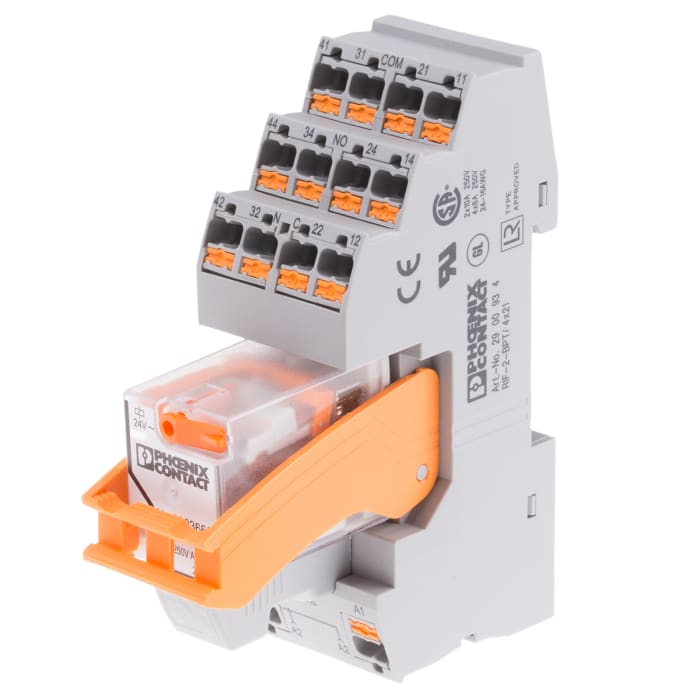
Phoenix contacts series of RIF2 power relay modules come pre-assembled with a push connection. They are considered to be electrical and mechanical devices. This type of relay can often be referred to as an electromechanical relay or an industrial switch. This RIF2 professional range is supplied with a base suppressor and retaining bracket that benefits from a universal plug-in design.
A relay is an electrical switch that is operated by electrical pulses, their primary function is to open and close a circuit. When power passes through a circuit, a relay switches position (usually from NC to NO) using an internal coil which generates a magnetic force. This force then holds the relay in a NO position, when the current is switched off the relay returns to the NC position. This function is what makes these non-latching relays perfect for push-button applications such as keyboards and micro-controller input buttons.
Non-latching relays support a range of signal characteristics, ranging from low voltage or current to high voltage or current and from DC to GHz frequencies.
When a latching relay operates its contacts, the relay holds its position, even when the supply of its operating coil has been disconnected. When a non-latching relay operates its contacts, the relay will reset automatically once the supply of its coil is disconnected through the internal spring mechanism.

Информация о наличии не успела загрузиться
тг 5 431,05
тг 5 431,05 Each (ex VAT)
1
тг 5 431,05
тг 5 431,05 Each (ex VAT)
Информация о наличии не успела загрузиться
1
Техническая документация
Характеристики
Brand
Phoenix ContactТип продукции
Реле питания
Напряжение обмотки
24В перем. тока
Конфигурация контактов
Двухполюсная группа переключающих контактов (DPDT)
Тип монтажа
DIN-рейка
Серия
RIF-2-RPT-LV-24AC/2X21
Тип клеммы
Подключаемый элемент
Переключающий ток
8.5A
Минимальная рабочая температура
-40°C
Коммутируемая мощность
120W
Коммутирующее напряжение постоянного тока
250В пост. тока
Коммутирующее напряжение переменного тока
250В перем. тока
Сопротивление обмотки
158Ом
Максимальная рабочая температура
60°C
Мощность обмотки
120W
Длина
43мм
Стандарты/одобрения
IEC, DIN
Ширина
90 mm
Материал каски/сварочной маски
111мм
Материал контактов
Сплав серебра
Информация о товаре
Phoenix contacts series of RIF2 power relay modules come pre-assembled with a push connection. They are considered to be electrical and mechanical devices. This type of relay can often be referred to as an electromechanical relay or an industrial switch. This RIF2 professional range is supplied with a base suppressor and retaining bracket that benefits from a universal plug-in design.
A relay is an electrical switch that is operated by electrical pulses, their primary function is to open and close a circuit. When power passes through a circuit, a relay switches position (usually from NC to NO) using an internal coil which generates a magnetic force. This force then holds the relay in a NO position, when the current is switched off the relay returns to the NC position. This function is what makes these non-latching relays perfect for push-button applications such as keyboards and micro-controller input buttons.
Non-latching relays support a range of signal characteristics, ranging from low voltage or current to high voltage or current and from DC to GHz frequencies.
When a latching relay operates its contacts, the relay holds its position, even when the supply of its operating coil has been disconnected. When a non-latching relay operates its contacts, the relay will reset automatically once the supply of its coil is disconnected through the internal spring mechanism.