

Без НДС
включая НДС


Green packaging is needed for a variety of environmental, economic and social reasons, and not least to align with governmental environment targets. Green packaging can help to protect the environment, reduce carbon emissions and conserve resources. In addition to this, it’s a much more sustainable way to package items than by using single-use materials, as it doesn’t exhaust the use of resources, and materials don’t take decades or even centuries to break down.
But it’s not just the environment that green packaging has a positive effect on. With more and more people adopting a more sustainable approach to buying products, green packaging can be an attractive selling point to customers who are mindful of their carbon footprint, which in turn can boost your brand image too. With regulatory compliance becoming stricter on the matter too, it might end up being more of a forced option, so it’s best to get a head start with it.
There are lots of types of green packaging. Here are some of the most common types:
Over time, this kind of packaging can break down organically. This packaging does not need to decompose within a certain amount of time in order to be considered biodegradable. The fact that biodegradable packaging doesn’t leave behind dangerous pollutants is one of its main advantages.
Recyclable packaging refers to packaging materials that can be collected, processed, and remanufactured into new products after they have been used. This process diverts waste from landfills, conserves resources, and reduces environmental impact.
Reusable packaging refers to packaging solutions designed for multiple uses, as opposed to single-use packaging. This type of packaging is an integral part of sustainable practices, aiming to reduce waste and environmental impact. Examples of reusable packaging include reusable bags, refillable containers, reusable coffee cups and reusable lunch boxes.
This type of packaging refers to packaging which is recyclable, made from recycled materials, doesn’t contain pollutants and chemicals which could harm the environment or customer and sources, transports and produces the materials using renewable energy.
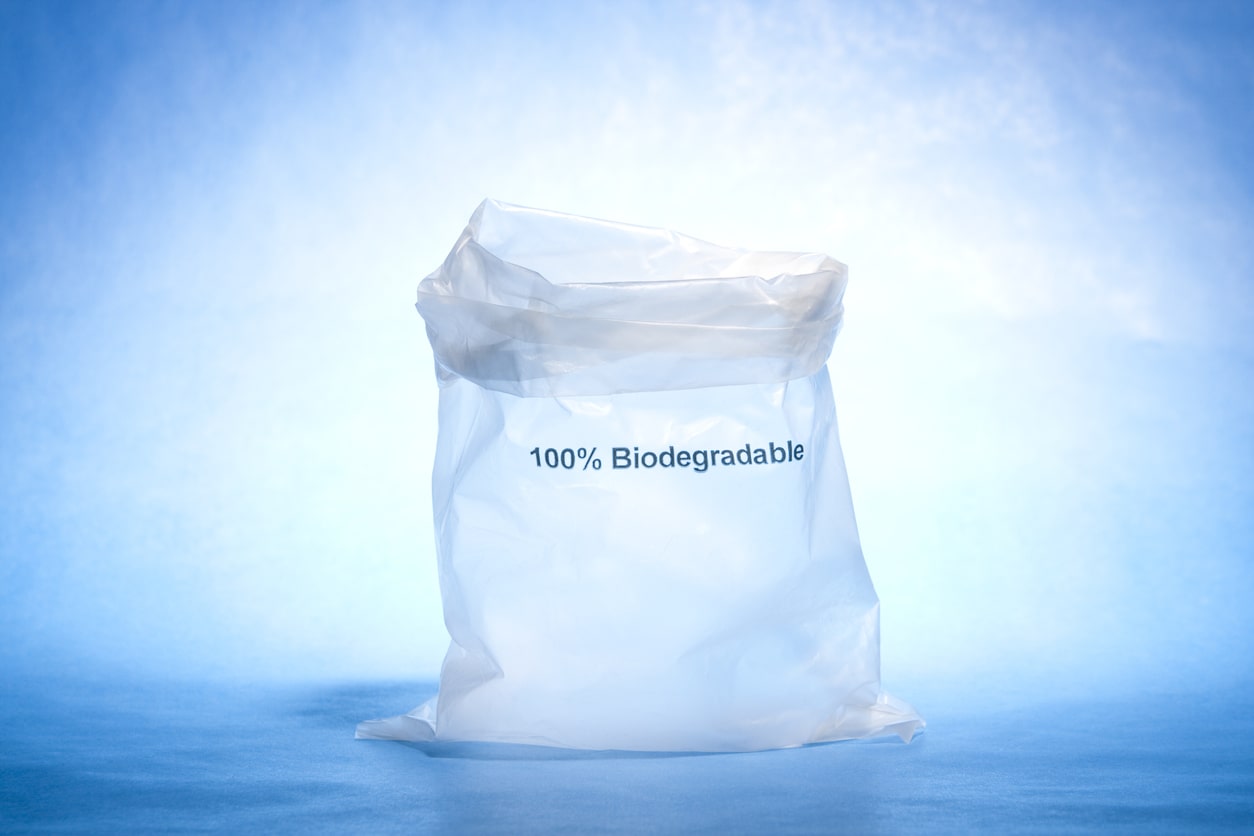
In the quest for environmental sustainability, biodegradable materials are leading a significant transformation in the packaging industry. Unlike conventional packaging that lingers in landfills for centuries, biodegradable options offer a promising solution by decomposing naturally and reducing ecological footprints.
Biodegradable packaging is derived from natural materials like plants, paper, and even some bioplastics. These materials are designed to break down efficiently under natural conditions, facilitated by microorganisms, humidity, and sunlight. Key materials include polylactic acid (PLA) made from fermented plant starch, plant fibres, and biodegradable films derived from natural polymers.
Bioplastics have a very similar appearance, feel, and functionality to regular plastics because they are made from sugars that are extracted from corn and sugarcane. When this material reaches the end of its life cycle, carbon dioxide and water can break it down. Consequently, it reduces your carbon footprint and makes the packaging environmentally friendly.
This includes materials used in packaging that are made from different types of natural starches, like tapioca, potato starch, or cornflour. These materials frequently take the place of conventional polystyrene foam peanuts in loose-fill packaging.
Mycelium, the root structure of mushrooms, is cultivated around agricultural waste to create this innovative material. It serves as a sustainable substitute for plastic and Styrofoam in cushioning and insulation applications.
Cellulose is a thin, translucent and fully biodegradable film or sheet which derives from wood pulp and other plant fibres. It is often used for transparent films or bags.
Cellulose fibres, which are mostly derived from wood, a naturally occurring and renewable resource, are used to make paper. Paper’s organic origins make it susceptible to degradation by ambient microorganisms. It is a common substitute for plastics in modern packaging.

In the field of sustainable packaging, edible packaging is a game-changer, providing a creative way to cut waste. It is an environmentally friendly substitute for conventional packaging techniques because it is made of consumable materials and can be eaten in addition to being used as packaging.
A variety of food-grade materials, such as proteins, lipids, and polysaccharides, are used to make edible packaging. These substances are safe to eat and are frequently sourced from organic materials like plants and seaweed. Edible packaging comes in a variety of forms, such as films, coatings, and even moulded forms.
Made from seaweed extract, these transparent films serve as a healthy substitute for plastic wrap when used to package food. They can dissolve in water and have no taste.
Commonly used in Asian cuisine, rice paper is edible and can be used to wrap foods, offering a biodegradable and edible packaging solution for snacks and candies.
Made from wheat bran, rice, or sorghum, edible cutlery is an alternative to single-use plastic utensils and is therefore part of a larger strategy to reduce packaging waste, even though it is not a packaging material per se.
These are edible films made from casein, a protein found in milk. They are often used to wrap cheese or as a layer in food packaging to prevent oxygen from reaching the food, extending its shelf life.
An inventive replacement for plastic bottles, these seaweed-derived pods can hold water or other liquids.
Notpla, a packaging solutions company, offers green packaging for various applications including food containers, laundry sachets, ocean paper, vanishing bath oil sachets and much more. The video below shows how the company uses edible and biodegradable packaging options for a more sustainable, zero waste alternative to traditional packaging methods.
Another company called Evocative Design is also trying to do its part in saving the planet. Their mushroom packaging is made with two ingredients – hemp hurd and mycelium. After shipping the packaging can be broken up and sprinkled over a garden bed, where it composts. This type of packaging uses minimal resources and contains no artificial chemicals.
- Availability of Raw Materials: Finding sustainable materials on a large scale can be difficult, particularly if they are hard to come by or if demand exceeds supply.
- Adaptation of Existing Infrastructure: Integrating green packaging into existing production lines and distribution chains can require significant adjustments.

Green packaging is certainly a viable and effective solution to the growing environmental concerns caused by traditional packaging methods. By using biodegradable and edible materials, less waste is created, minimal resources are used, and materials don’t pollute the planet for years-on-end. Despite some challenges obstructing a clear route for widespread adoption of green packaging processes, these are certainly surmountable. What’s more, with regulatory compliance becoming stricter, and government environment targets becoming more ambitious, green packaging seems like it might be a must in the near future, rather than a nice-to-have.
Author Jack Portley